Buildings as part of civic life
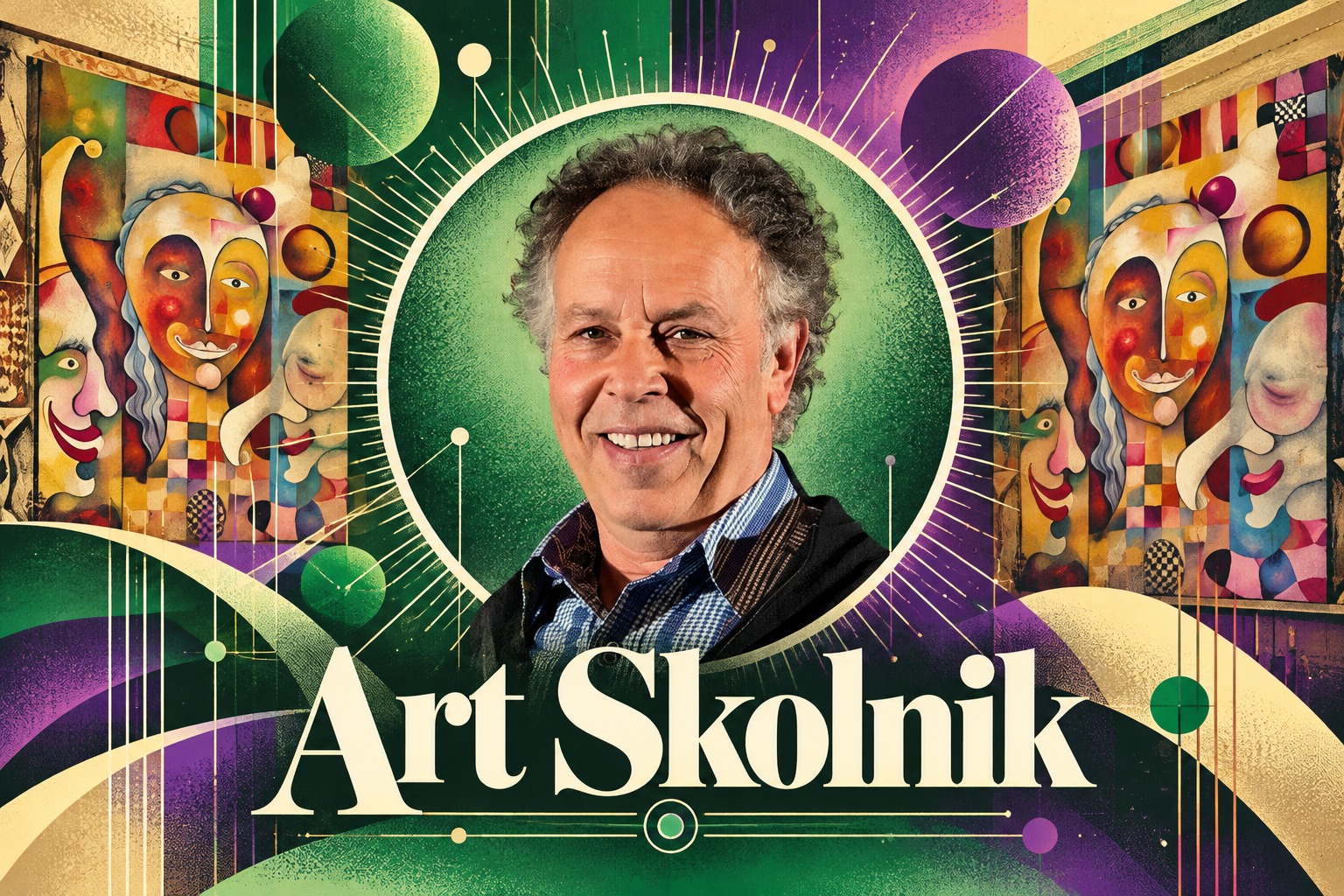
I find Art Skolnik’s career most compelling where architecture meets everyday city life. He worked with buildings, certainly, but also with neighborhoods, public institutions, and the decisions that determine whether an older place survives. His career treated preservation as an active civic responsibility.
Arthur Michael Skolnik was born on March 11, 1944, and died on January 15, 2020. Over those 75 years, he became an architect, urban planner, preservation leader, consultant, and political participant. Seattle supplied much of the setting for his work, although his professional reach extended beyond Washington.
Training for architecture and urban design
Skolnik earned a Bachelor of Architecture from the University of Illinois in 1966. Two years later, he completed graduate study in architecture and urban design at Pratt Institute. The combination is revealing: individual buildings and the larger city would both become central to his career.
He held early drafting positions before joining Seattle’s municipal architectural work. From 1969 to 1971, he served as assistant city architect. That role placed him inside local government at a time when questions about redevelopment and historic neighborhoods carried substantial consequences.
I see his later preservation work as connected to this grounding in public administration. Saving a place requires more than appreciating its facade. It also involves institutions, regulations, rehabilitation plans, and people willing to keep a project moving.
Pioneer Square and the preservation landscape
From 1971 to 1974, Skolnik served as the first manager of Seattle’s Pioneer Square Historic District. The appointment linked his name to one of the city’s defining historic areas.
His wider work also included efforts associated with Pike Place Market. These places are not interchangeable monuments. They are urban districts shaped by commerce, public use, architecture, and neighborhood identity. Preservation in such settings concerns how a place continues to function as much as how it looks.
Skolnik subsequently held leadership in Seattle’s Office for Urban Conservation and served as Washington’s state historic preservation officer from 1975 to 1978. His responsibilities moved from city projects to a broader statewide framework. The scale changed, but the underlying concern remained the survival and use of existing places.
Giving old structures new work
Several projects associated with Skolnik involved adaptive reuse, the practice of giving an existing building a new function. His work included the conversion of the Herzl Ner Tamid Synagogue into a health center, involvement with the Langston Hughes performing arts facility, and the transformation of Fire Station 25 into historic condominiums.
I like the practical intelligence of that approach. A building can retain architectural meaning while serving people whose needs differ from those of its original occupants. Preservation becomes a bridge between eras rather than a glass case around the past.
His career also included playground and children’s facility work, consulting for King County, and private practice through the Skolnik Company. In 1984 and 1985, he worked with San Diego’s Gaslamp Quarter. That assignment extended his experience with historic urban districts beyond Seattle.
Civic campaigns and professional recognition
Skolnik participated in neighborhood preservation organizations and sought elected office, including a Seattle City Council campaign in 2003. He also worked with the Kalakala Foundation on efforts to preserve the distinctive ferry.
Those activities show a willingness to enter the public arguments surrounding preservation. Architecture did not remain confined to drawings and construction details. It became part of discussions about priorities, public resources, and what a community should retain.
In 1996, Skolnik was named a Fellow of the American Institute of Architects. That professional distinction recognized contributions extending beyond an ordinary project list. His teaching, consulting, civic involvement, and preservation leadership formed a broad body of work.
Three marriages and four children
Skolnik married Marsha Lynn Glassman, also known as the artist Marsha Glaziere, in 1966. They had two children, Joshua Cary and Maya Kristina. Their marriage ended in divorce in 1980.
His second wife was Pepper Schwartz, the sociologist and University of Washington professor. They had two children, Cooper and Ryder. Schwartz developed her own prominent career in scholarship and public discussion of relationships. Her professional identity stands alongside Skolnik’s architectural work rather than being an extension of it.
In 2003, Skolnik married Susanne Loven, whose professional background included nursing and leadership in perioperative services. She was his wife at the time of his death. Dean and Darrell Stubbington are also identified as his stepsons.
His parents were Jack Skolnik and Geraldine Garland. His siblings included Adrienne Elaine and Howard. I find this family outline useful because the public shorthand often identifies him only as Pepper Schwartz’s former husband, overlooking both his wider family and his substantial independent career.
Later years
Skolnik continued participating in preservation and community organizations during his later life. He and Susanne eventually lived in Qualicum Beach, British Columbia, where he died in 2020 from complications of ALS.
His personal wealth is not publicly established. The more tangible record lies in professional roles, preserved places, and the projects to which he contributed. Those details make it possible to describe his work without reducing a civic career to a financial estimate.
FAQ
What was Art Skolnik known for?
He was an architect and historic preservation leader closely associated with Seattle. His work included Pioneer Square, urban conservation, adaptive reuse, and statewide preservation responsibilities in Washington.
What professional honor did he receive?
Skolnik became a Fellow of the American Institute of Architects in 1996. The honor recognized his contributions to architecture and the profession over a career spanning design, preservation, consulting, and public service.
How many children did he have?
He had four children: Joshua and Maya from his marriage to Marsha, and Cooper and Ryder from his marriage to Pepper Schwartz. His family also included stepsons Dean and Darrell Stubbington.
When did Art Skolnik die?
He died on January 15, 2020, in Qualicum Beach, British Columbia, from complications of ALS. He was 75 years old and was survived by his wife, Susanne, and other family members.